As a senior medical advisor, I can provide guidance on common health-related concerns when traveling to China. Here are 20 frequently asked questions along with detailed answers:
1. Do I need vaccinations before traveling to China?
Yes, it’s recommended to be up to date on routine vaccines like measles, mumps, rubella (MMR), and influenza. Additionally, consider vaccines for hepatitis A and B, typhoid, rabies (if planning outdoor activities), and Japanese encephalitis (for rural travel).
2. Is tap water safe to drink in China?
No, tap water is not safe for drinking. Always drink bottled or boiled water. Many hotels provide boiled water, and bottled water is widely available.
3. What should I do if I get food poisoning?
Stay hydrated with bottled water or oral rehydration salts. Avoid dairy and greasy foods. If symptoms persist beyond 48 hours or include severe dehydration, seek medical attention.
4. How can I avoid air pollution-related health issues?
Wear an N95 mask in heavily polluted areas, monitor air quality apps, and limit outdoor activities on high pollution days. If you have respiratory conditions, carry necessary medications.
5. What should I do in case of a medical emergency?
Dial 120 for an ambulance. Major cities have international hospitals with English-speaking staff. Carry a translated medical history and insurance details.
6. Are there any health risks associated with street food?
Street food can be safe if prepared fresh and served hot. Avoid raw or undercooked food, and ensure vendors maintain hygiene standards.
7. How do I handle altitude sickness in high-altitude areas like Tibet?
Acclimatize gradually, stay hydrated, avoid alcohol, and consider altitude sickness medication like acetazolamide. If symptoms worsen, descend immediately.
8. Is it safe to use public toilets in China?
Public toilets vary in cleanliness. Carry tissues and hand sanitizer. Squat toilets are common, so be prepared.
9. What medications should I bring?
Pack essential medications, including pain relievers, antihistamines, anti-diarrheal medicine, and any prescription drugs with a translated prescription.
10. How do I prevent mosquito-borne diseases?
Use insect repellent, wear long sleeves, and stay in accommodations with screened windows. Malaria risk is low but present in some rural areas.
11. Can I get medical treatment without insurance?
Yes, but payment is required upfront. International hospitals accept insurance, but local hospitals may not. Travel insurance is highly recommended.
12. What should I do if I get injured while hiking or exploring?
Clean wounds immediately, apply antiseptic, and seek medical help if needed. Carry a basic first-aid kit.
13. Are there any health risks from animals in China?
Avoid stray animals to prevent rabies exposure. If bitten, seek medical attention immediately.
14. How do I manage jet lag when arriving in China?
Adjust your sleep schedule before departure, stay hydrated, and get sunlight exposure upon arrival to reset your internal clock.
15. Is it safe to swim in lakes and rivers in China?
Avoid swimming in stagnant water due to risk of infections like schistosomiasis. Stick to regulated pools or coastal areas.
16. What should I do if I experience traveler’s diarrhea?
Stay hydrated, eat bland foods, and take anti-diarrheal medication if necessary. If symptoms persist, seek medical help.
17. Are there any specific health risks for elderly travelers?
Elderly travelers should be cautious of extreme temperatures, air pollution, and high-altitude sickness. Carry necessary medications and ensure access to medical care.
18. How do I handle food allergies in China?
Learn key phrases in Mandarin to communicate allergies. Carry an allergy card in Chinese and avoid unfamiliar dishes.
19. What precautions should pregnant travelers take?
Consult a doctor before traveling, avoid high-altitude areas, and ensure access to medical care. Carry prenatal vitamins and necessary medications.
20. How do I find reliable medical facilities in China?
Major cities have international hospitals with English-speaking doctors. Research hospitals in advance and keep emergency contacts handy.
Disclaimer: The information provided here is for general informational purposes only and does not constitute professional medical advice. I am not affiliated with any of the mentioned products, websites, or services. Always consult a qualified healthcare provider before making any medical decisions or acting on any health-related information. Furthermore, any prices mentioned are subject to change due to fluctuations in currency exchange rates and market conditions. Travelers are encouraged to verify details with official sources before making any financial commitments.
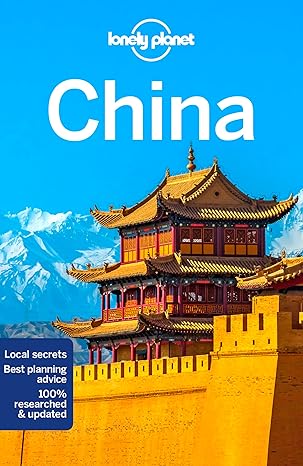
Title: Lonely Planet China (Travel Guide)
Authors: Stuart Butler, Jade Bremner, Kate Chapman, Piera Chen
Publication Date: December 21, 2021
Book Summary:
This travel guide is designed to be the ultimate companion for exploring China. It provides up-to-date advice on must-see destinations, hidden gems, and practical travel tips. Whether you’re looking to explore Beijing’s Forbidden City, climb the Great Wall, or discover the sacred sites of Lhasa, this guide offers detailed itineraries, cultural insights, and essential information to make your journey smooth and enriching – amazon.com](https://www.amazon.com/Lonely-Planet-China-Country-Guide/dp/1787016773) | Drury Lane Books](https://drurylanebooks.com/book/9781787016774).
Introduction:
Lonely Planet’s China guide aims to help travelers navigate the vast and diverse landscapes of China with confidence. It includes recommendations for accommodations, dining, transportation, and local customs. The book also features color maps, insider tips, and honest reviews to ensure travelers get the most out of their experience | Drury Lane Books](https://drurylanebooks.com/book/9781787016774).