By The Doctor
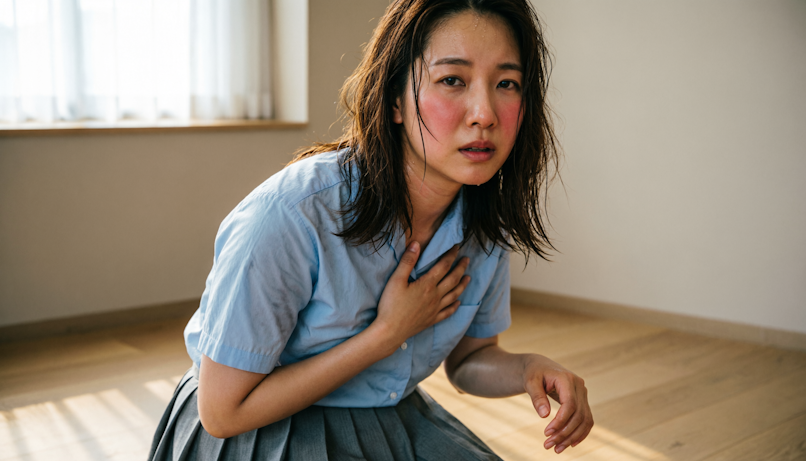
Excessive sweating, medically known as hyperhidrosis, is a condition in which the body produces more sweat than is physiologically necessary for temperature regulation. While sweating is a normal and essential bodily function, individuals with hyperhidrosis experience perspiration that is disproportionate to their environment, activity level, or emotional state. This can lead to significant discomfort, social anxiety, and disruption of daily activities. As a clinician, I often see patients who feel embarrassed, frustrated, or confused about why their sweat glands seem to “overreact.” Understanding the condition is the first step toward effective management.
Understanding Hyperhidrosis
Hyperhidrosis is broadly divided into two categories:
- Primary (focal) hyperhidrosis This form typically affects specific areas such as the underarms, palms, soles, or face. It often begins in adolescence or early adulthood and is not caused by an underlying medical condition. Instead, it is linked to overactivity of the sympathetic nervous system — the part of the body responsible for automatic functions like sweating.
- Secondary (generalised) hyperhidrosis This type involves widespread sweating and is usually related to an underlying medical issue such as hormonal disorders, infections, metabolic conditions, or medication side effects. When sweating occurs during sleep or affects the entire body, clinicians consider secondary causes and investigate accordingly.
Common Symptoms
Patients with hyperhidrosis typically report:
- Visible sweat marks on clothing, often described as “drenching pit stains”
- Constantly damp or clammy palms, sometimes interfering with tasks like writing or gripping objects
- Sweaty soles, leading to slipping inside shoes or foot odour
- Facial sweating, especially around the forehead or scalp
- Sweating unrelated to heat or exercise, occurring even in cool environments
- Emotional distress, including embarrassment, avoidance of social situations, or anxiety about handshakes and physical contact
In primary hyperhidrosis, symptoms tend to be symmetrical — for example, both palms or both underarms are affected. Episodes may worsen during stress, but they also occur spontaneously without any identifiable trigger.
What Causes Hyperhidrosis?
In many cases, the exact cause of primary hyperhidrosis remains unclear. However, research suggests:
- Overactive sympathetic nerves stimulate sweat glands excessively.
- Genetics play a role; many patients report a family history.
- Emotional triggers such as anxiety can amplify symptoms, though they are not the root cause.
Secondary hyperhidrosis may be linked to:
- Thyroid disorders
- Diabetes
- Menopause
- Certain infections
- Neurological conditions
- Medications such as antidepressants or pain relievers
When sweating is sudden, severe, or accompanied by other symptoms (weight loss, fever, palpitations), medical evaluation is essential.
Possible Remedies and Evidence‑Based Treatments
While hyperhidrosis can be distressing, a wide range of treatments are available. As a doctor, I typically approach management step‑by‑step, starting with the least invasive options and progressing as needed.
1. Clinical‑Strength Antiperspirants
These are often the first line of treatment.
- Products containing aluminium chloride help block sweat ducts temporarily.
- They are applied at night when sweat glands are less active.
- Over time, many patients experience a noticeable reduction in moisture.
Some individuals worry that antiperspirants are unsafe, but current evidence does not support claims linking aluminium-based products to cancer or systemic illness. Mild skin irritation can occur, but adjusting application frequency or using moisturisers often helps.
2. Topical Prescription Treatments
For patients who do not respond to over‑the‑counter options, clinicians may consider prescription-strength formulations.
- These may include higher concentrations of aluminium chloride or other agents designed to reduce gland activity.
- They are particularly useful for underarm sweating.
3. Iontophoresis
This is a non-invasive therapy commonly used for sweaty palms and soles.
- The hands or feet are placed in shallow trays of water.
- A mild electrical current passes through the water, temporarily reducing sweat gland activity.
- Treatments are typically performed several times per week initially, then spaced out for maintenance.
Many patients find iontophoresis highly effective, especially when used consistently.
4. Botulinum Toxin (Botox) Injections
Botox is a well-established treatment for focal hyperhidrosis.
- It works by blocking the nerve signals that activate sweat glands.
- Results can last 4–9 months, depending on the area treated.
- It is particularly effective for underarm sweating, though it can also be used on palms and soles.
Some individuals experience temporary discomfort during injections, but the improvement in quality of life is often substantial.
5. Oral Medications
Certain medications can reduce sweating by calming the sympathetic nervous system. These are typically considered when other treatments are ineffective or unsuitable.
- They may help with generalised sweating or focal symptoms.
- Side effects such as dry mouth or blurred vision can occur, so clinicians weigh risks and benefits carefully.
6. Lifestyle Adjustments
While lifestyle changes cannot cure hyperhidrosis, they can help reduce triggers:
- Wearing breathable fabrics such as cotton or moisture‑wicking materials
- Using absorbent underarm pads
- Avoiding spicy foods, caffeine, or alcohol if they worsen symptoms
- Practising stress‑reduction techniques such as mindfulness or controlled breathing
These strategies support medical treatments and help patients feel more in control.
7. Surgical Options (Reserved for Severe Cases)
In rare, severe cases, surgery may be considered.
- Endoscopic thoracic sympathectomy (ETS) interrupts the nerve pathways responsible for excessive sweating.
- It is generally reserved for patients with disabling palmar hyperhidrosis who have exhausted all other options.
ETS can be effective, but it carries risks, including compensatory sweating in other areas. For this reason, it is not a first-line treatment.
Living With Hyperhidrosis
Hyperhidrosis is more than a physical condition — it affects emotional wellbeing, confidence, and daily functioning. Many patients feel isolated or assume they are alone in their experience. In reality, millions of people live with excessive sweating, and effective treatments are widely available.
If symptoms are interfering with your quality of life, speaking with a healthcare professional can help identify the underlying cause and guide you toward appropriate management options. With the right approach, most individuals achieve significant improvement and regain confidence in social and professional settings.
Questions and Answers
1. Types of Hyperhidrosis & Daily Symptoms
Q1: “What is the difference between primary focal hyperhidrosis and secondary generalized hyperhidrosis?”
Dr. Response: Primary focal hyperhidrosis is an isolated overactivity of the nervous system affecting specific areas—most commonly the underarms, palms, soles, or face—without any underlying disease. It typically starts in youth and rarely occurs during sleep. Secondary generalized hyperhidrosis, by contrast, causes widespread sweating across the entire body and is triggered by an underlying root cause, such as a medical condition (like thyroid dysfunction or diabetes), hormone shifts, or medication side effects.
Q2: “Why do I sweat heavily even when I’m sitting in a cold, air-conditioned room or not working out?”
Dr. Response: Thermoregulation (cooling down when hot) is only one reason the body sweat glands activate. In primary hyperhidrosis, the sympathetic nervous system acts like a light switch stuck in the “on” position. Your sweat glands receive continuous, erratic nerve signals regardless of ambient temperature or physical exertion.
Q3: “Why does primary hyperhidrosis usually affect both sides of the body symmetrically?”
Dr. Response: Because primary hyperhidrosis is driven by central nervous system signals rather than a local skin problem, the signal distribution follows bilaterally paired pathways in your spinal cord and sympathetic trunk. Consequently, sweat signals are sent equally to both underarms, both palms, or both feet at the exact same time.
Q4: “Can anxiety or stress actually cause hyperhidrosis, or does stress just make it worse?”
Dr. Response: Stress and anxiety do not cause primary hyperhidrosis, but they are potent amplifiers. Emotional stress triggers adrenaline release and stimulates the eccrine sweat glands (particularly on the palms, soles, and underarms). This creates a frustrating feedback loop: the physiological overactivity triggers sweat, the fear of sweat causes anxiety, and the anxiety causes even more sweating.
2. Palms, Feet, Underarms & Facial Sweating
Q5: “My palms are constantly clammy and dripping. How can I manage sweaty hands for work and handshakes?”
Dr. Response: Palmar hyperhidrosis can cause severe professional and personal anxiety. First-line treatments include nightly application of high-concentration aluminium chloride antiperspirants directly to completely dry palms. If that proves insufficient, iontophoresis (a water-bath electrical treatment) or targeted botulinum toxin (Botox) injections offer high success rates in drying out palmar sweat glands.
Q6: “Is sweating heavily from my face and scalp normal, and can it be treated like underarm sweating?”
Dr. Response: Facial and scalp sweating (craniofacial hyperhidrosis) is very common and can be particularly frustrating because it is difficult to hide. While standard underarm roll-ons can irritate delicate facial skin, clinicians often prescribe specialized topical anticholinergic wipes, mild prescription antiperspirant formulations, or oral medications to manage facial flushing and sweating safely.
Q7: “Why do my feet sweat so much that I slip in my shoes, and does sweaty feet cause foot odor?”
Dr. Response: Plantar hyperhidrosis causes excess fluid accumulation on the soles and between toes. While sweat itself is virtually odorless, the trapped moisture softens the outer skin layer (maceration) and creates an ideal breeding ground for resident skin bacteria. These bacteria break down sweat and dead skin cells, generating volatile organic compounds that cause foot odor (bromhidrosis).
Q8: “Why do I get ‘drenching pit stains’ through heavy clothing even when using regular antiperspirant?”
Dr. Response: Standard commercial deodorants only mask odor, while standard antiperspirants contain lower concentrations of active ingredients meant for typical sweating. In hyperhidrosis, the volume of sweat produced physically washes away standard antiperspirants before they can form a gel plug in the sweat duct. Clinical-strength or prescription-level formulations are required to form deeper, more durable plugs.
3. Antiperspirants, Botox & Non-Invasive Remedies
Q9: “Why are clinical antiperspirants supposed to be applied at night instead of in the morning?”
Dr. Response: Clinical antiperspirants contain aluminium salts that must travel down into the sweat duct to react with moisture and form a temporary protective plug. At night, your body’s sweat production naturally drops to its lowest level, allowing the active ingredients time to settle into the ducts undisturbed. If applied in the morning when you are already sweating, the fluid immediately flushes the product away from the duct openings.
Q10: “Is the aluminium in clinical antiperspirants dangerous, or linked to breast cancer or Alzheimer’s?”
Dr. Response: Current medical consensus and extensive epidemiological studies show no scientific link between aluminium-based antiperspirants and breast cancer or Alzheimer’s disease. Topically applied aluminium chloride works at the skin surface level, and systemic absorption through intact skin is extremely minimal—far lower than the aluminium naturally absorbed through daily food intake.
Q11: “How do Botox injections stop excessive underarm sweating, and how long do the results last?”
Dr. Response: Botulinum toxin temporarily blocks the release of acetylcholine, the chemical neurotransmitter that tells your sympathetic nerves to activate local sweat glands. By temporarily turning off this signal, sweat production drops dramatically in the treated area. Results typically take effect within 1 to 2 weeks and last between 4 to 9 months, after which the treatment can be safely repeated.
Q12: “What is iontophoresis, and how does using water and electricity stop sweaty hands and feet?”
Dr. Response: Iontophoresis involves placing your hands or feet in shallow trays of tap water while a device passes a mild, safe electrical current through the water for 15–20 minutes. While the exact biological mechanism is still being researched, the electrical current appears to temporarily disrupt normal nerve signal transmission and mineral flow within the sweat glands. With consistent initial sessions, it is highly effective for palms and soles.
4. Medications, Surgery & Lifestyle Adjustments
Q13: “What oral prescription medications are used for hyperhidrosis, and what are their side effects?”
Dr. Response: Clinicians may prescribe oral anticholinergics (such as glycopyrrolate or oxybutynin). These systemic medications block acetylcholine receptors across the whole body, reducing sweat production everywhere. However, because these receptors exist in other organs, common side effects include dry mouth, blurred vision, urinary retention, constipation, and reduced heat tolerance during exercise.
Q14: “What is ETS surgery for sweaty palms, and what is the risk of ‘compensatory sweating’?”
Dr. Response: Endoscopic Thoracic Sympathectomy (ETS) is a surgical procedure where a surgeon cuts or clamps the specific sympathetic nerve chain inside the chest cavity that controls hand sweating. While highly effective for severe, refractory palmar hyperhidrosis, it carries a significant risk of compensatory sweating—a side effect where the body attempts to compensate by sweating much more heavily on the back, chest, abdomen, or legs.
Q15: “Can changing my diet (like cutting caffeine, alcohol, or spicy food) actually reduce sweat?”
Dr. Response: Yes, dietary choices can modulate sweat output. Capsaicin in spicy foods tricks your brain into thinking your core temperature is rising, triggering a gustatory sweat response. Caffeine and alcohol stimulate the central nervous system and dilate blood vessels, increasing heart rate and sympathetic arousal. Avoiding these triggers won’t cure hyperhidrosis, but it can noticeably reduce flare-up severity.
Q16: “Are underarm sweat pads or moisture-wicking clothing helpful while trying medical treatments?”
Dr. Response: Absolutely. Absorptive underarm dress shields, silver-infused anti-odor undershirts, and moisture-wicking athletic fabrics do not cure sweating, but they provide an invaluable emotional buffer. They protect outer clothing from visible moisture rings and yellow stains while medical treatments like antiperspirants or Botox take full effect.
5. Secondary Causes & When to See a Doctor
Q17: “What causes sudden severe night sweats that drench my sheets and clothes?”
Dr. Response: Drenching night sweats—where you wake up needing to change clothes or bedding—are rarely caused by primary hyperhidrosis and always warrant medical investigation. They can stem from hormonal shifts (menopause or low testosterone), sleep apnea, chronic infections, autoimmune conditions, or certain prescription medications.
Q18: “Could my antidepressant or daily medication be the hidden cause of my excessive sweating?”
Dr. Response: Yes, medication-induced hyperhidrosis is a frequent cause of secondary sweating. Many standard antidepressants (SSRIs, SNRIs, and tricyclics), blood pressure drugs, pain relievers, and hormonal therapies alter brain neurotransmitters like serotonin and norepinephrine, which influence central body-temperature regulation in the hypothalamus.
Q19: “How do conditions like thyroid disease, diabetes, or menopause trigger generalized sweating?”
Dr. Response: Endocrine imbalances directly affect the hypothalamus (the body’s central thermostat):
- Hyperthyroidism: Excess thyroid hormone speeds up metabolism, generating excess body heat.
- Diabetes: Hypoglycemia (low blood sugar) triggers an adrenaline release that causes cold, profuse sweating.
- Menopause: Dropping estrogen levels cause the hypothalamus to misread normal body temperatures as overheating, triggering sudden hot flashes and sweating.
Q20: “What ‘red flag’ symptoms mean my excessive sweating requires prompt medical evaluation?”
Dr. Response: You should consult a physician promptly if your sweating:
- Appears suddenly as generalized, whole-body sweating (especially if you have always sweated normally)
- Is accompanied by unexplained weight loss, persistent fever, cough, or swollen lymph nodes
- Occurs as severe, drenching night sweats
- Is accompanied by chest pain, shortness of breath, dizziness, or a rapid heart rate (which requires immediate emergency care)