By The Doctor
High blood pressure—also known as hypertension—is often called the “silent killer” because it rarely causes noticeable symptoms until it becomes severe. Despite its quiet nature, hypertension is one of the strongest risk factors for heart attack, stroke, kidney disease, and premature death. Globally, an estimated 1.4 billion adults aged 30–79 live with hypertension . In Australia, roughly 1 in 3 adults have high blood pressure .
Because hypertension is so common and often symptom‑free, millions turn to search engines to understand blood pressure numbers, natural ways to lower readings, low‑sodium diets, and medication side effects—often long before speaking with a clinician.
What Is Blood Pressure?
Blood pressure is the force of blood pushing against artery walls. It is measured using two numbers:
- Systolic (top number): pressure when the heart contracts
- Diastolic (bottom number): pressure when the heart relaxes
For example, a reading of 120/80 mmHg is considered normal.
According to major guidelines, blood pressure categories include:
- Normal: <120/80 mmHg
- Elevated: 120–129/<80 mmHg
- Stage 1 Hypertension: 130–139/80–89 mmHg
- Stage 2 Hypertension: ≥140/90 mmHg
Harvard Health
Credible health information source
High blood pressure (hypertension)
Blood pressure has two components:
- Systolic pressure is the top number. It represents the pressure the heart generates when it beats to pump blood to the rest of the body.
- Diastolic pressure is the bottom number. It refers to the pressure in the blood vessels between heartbeats.
Blood pressure is measured in millimeters of mercury (mm Hg). So blood pressure would be expressed, for example, as 120/80 mm Hg.
High blood pressure is diagnosed when one or both of these numbers is too high. High blood pressure is also called hypertension.
For decades, high blood pressure was defined as 140/90 mm Hg. In November, 2017, new United States guidelines lowered the threshold for diagnosing the condition. According to new guidelines, anyone with a reading of 130/80 mm Hg or higher has blood pressure. Based on this new definition, nearly half of Americans now fall into this group.
Blood pressure is now categorized as follows:
- Normal: less than 120/80 mm Hg
- Elevated: 120/80 to 129/79 mm Hg
- Stage 1 hypertension: 130/80 to 139/89 mm Hg
- Stage 2 hypertension: 140/90 mm Hg and above.
Although high blood pressure can cause symptoms such as headache and pounding heartbeat, it often causes no symptoms at all.
So why worry about high blood pressure? Because even when high blood pressure is not causing any symptoms, it can silently damage many organs, including the
- brain
- eyes
- heart
- kidneys
- arteries throughout the body.
You may not recognize the damage that silent hypertension has been doing to your body until you suddenly are stricken with a major disease. For example, hypertension increases your risk of heart attack, stroke, and kidney failure.
Why Hypertension Matters
Even when symptom‑free, high blood pressure silently damages organs including the heart, brain, kidneys, and eyes. Untreated hypertension significantly increases the risk of:
- Heart attack
- Stroke
- Heart failure
- Kidney failure
- Vision loss
WHO identifies hypertension as a major cause of premature death worldwide .
Symptoms of High Blood Pressure
Most people experience no symptoms at all, which is why regular checks are essential.
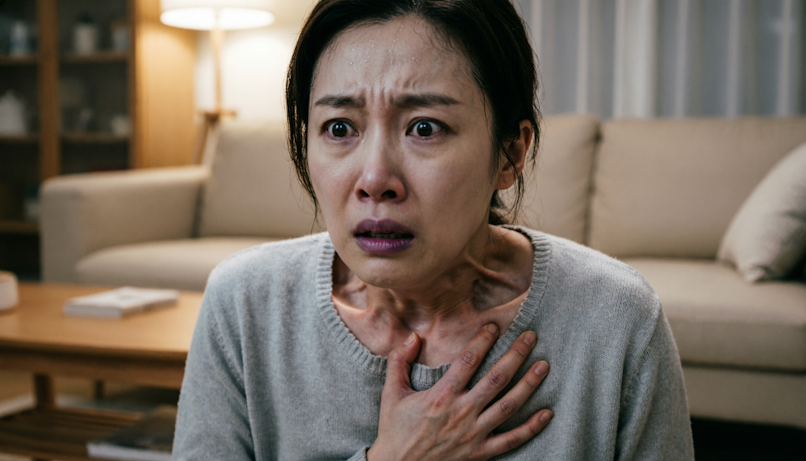
When blood pressure becomes dangerously high (often ≥180/120 mmHg), symptoms may include:
- Severe headache
- Blurred vision
- Chest pain
- Dizziness
- Shortness of breath
- Confusion
- Nosebleeds
These symptoms require urgent medical attention.
Common Causes of Hypertension
Primary (Essential) Hypertension
Most adults have this form, which develops gradually due to genetics, aging, and lifestyle factors. Risk factors include:
- Family history
- High‑salt diet
- Obesity
- Alcohol consumption
- Physical inactivity
Secondary Hypertension
Caused by an underlying condition such as:
- Kidney disease
- Thyroid disorders
- Adrenal gland disorders
- Sleep apnea
- Certain medications (e.g., decongestants, NSAIDs, birth control pills)
mayoclinic.org
What Blood Pressure Numbers Mean
People frequently search “What do my blood pressure numbers mean?” Here’s a simple breakdown:
- 120/80 mmHg: Ideal
- 130/80 mmHg: Hypertension begins
- 140/90 mmHg: Stage 2 hypertension
- 180/120 mmHg: Hypertensive crisis—seek emergency care
Healthdirect Australia defines high blood pressure as consistently ≥140/90 mmHg .
How to Lower Blood Pressure Naturally (Evidence‑Based)
Many individuals prefer lifestyle approaches before medication. Research supports several effective strategies.
1. Weight Management
Losing even a small amount of weight can lower blood pressure. Mayo Clinic notes blood pressure may drop 1 mmHg per kilogram lost .
2. Healthy Diet
The DASH diet (Dietary Approaches to Stop Hypertension) is one of the most studied dietary patterns for lowering blood pressure. It emphasizes:
- Fruits
- Vegetables
- Whole grains
- Low‑fat dairy
- Lean proteins
DASH can reduce systolic pressure by up to 11 mmHg .
3. Reduce Sodium
Most guidelines recommend limiting sodium to:
- <2,300 mg/day, ideally
- 1,500 mg/day for greater benefit
Reducing sodium can lower blood pressure by 5–6 mmHg .
4. Increase Physical Activity
Regular aerobic exercise can reduce blood pressure by 5–8 mmHg .
CDC recommends 150 minutes/week of moderate activity such as brisk walking or cycling .
5. Limit Alcohol
Excess alcohol raises blood pressure. Recommendations:
- Men: ≤2 drinks/day
- Women: ≤1 drink/day
6. Quit Smoking
Smoking raises blood pressure and dramatically increases cardiovascular risk. Quitting improves heart health and reduces hypertension risk .
7. Improve Sleep
Chronic sleep deprivation increases hypertension risk. Adults should aim for 7–9 hours nightly .
8. Manage Stress
Long‑term stress may contribute to high blood pressure. Techniques include:
- Meditation
- Deep breathing
- Social support
- Relaxation exercises
9. Track Blood Pressure at Home
Home monitoring helps identify patterns and ensures lifestyle changes are working. Mayo Clinic recommends discussing proper technique with a clinician .
Medical Treatments for Hypertension
If lifestyle changes are insufficient, medications may be required. Common classes include:
- ACE inhibitors (e.g., enalapril)
- ARBs (e.g., losartan)
- Calcium channel blockers (e.g., amlodipine)
- Diuretics (e.g., hydrochlorothiazide)
Many people need two or more medications to achieve control.
Medication decisions should always be made with a healthcare professional.
When to See a Doctor
Seek medical advice if:
- Your readings are consistently ≥140/90 mmHg
- You experience symptoms of very high blood pressure
- You have other risk factors (diabetes, kidney disease, heart disease)
- You are unsure how to interpret home readings
Regular checks are essential because hypertension is often symptom‑free.
Living With Hypertension
Hypertension is common, treatable, and manageable. With lifestyle changes, regular monitoring, and medical support when needed, most people achieve excellent control and significantly reduce their risk of serious complications.
Taking charge of blood pressure is one of the most powerful steps anyone can take for long‑term health.
Sources:
www.who.int
Intergovernmental Body
Hypertension – World Health Organization (WHO)
https://www.who.int/news-room/fact-sheets/detail/hypertension
www.healthdirect.gov.au
Government
High blood pressure (hypertension) – healthdirect
https://www.healthdirect.gov.au/high-blood-pressure-hypertension
Intergovernmental Body
Hypertension – World Health Organization (WHO)
https://www.who.int/news-room/fact-sheets/detail/hypertension
www.mayoclinic.org
Healthcare Organization
High blood pressure (hypertension) – Mayo Clinic
https://www.mayoclinic.org/diseases-conditions/high-blood-pressure/symptoms-causes/syc-20373410
https://www.healthdirect.gov.au/high-blood-pressure-hypertension
Preventing High Blood Pressure | High Blood Pressure | CDC
https://www.cdc.gov/high-blood-pressure/prevention/index.html
Public Health Authority