By The Doctor
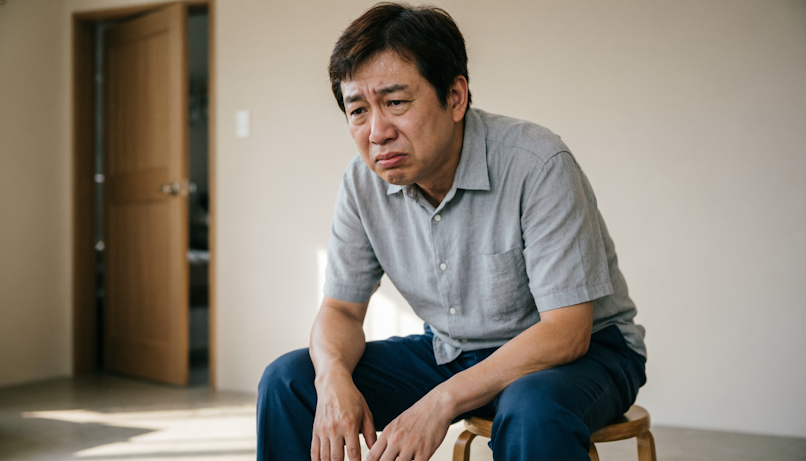
Hemorrhoids—commonly called piles—are swollen blood vessels in the lower rectum or anus. They are one of the most frequent causes of rectal discomfort, itching, and bleeding during bowel movements. Although extremely common, especially in adults over 50, many people feel embarrassed discussing them and often search privately for home treatments, dietary advice, or over‑the‑counter remedies to avoid an in‑person exam. As a clinician, I remind patients that hemorrhoids are a normal anatomical structure; they only become a “problem” when swollen or irritated.
Understanding what hemorrhoids are, why they develop, and how to manage them effectively can significantly reduce discomfort and improve quality of life.
What Are Hemorrhoids?
Hemorrhoids are vascular cushions—clusters of veins and connective tissue—that help with stool control. When these veins become enlarged or irritated, symptoms arise. Hemorrhoids are classified into two main types:
1. Internal Hemorrhoids
- Located inside the rectum
- Usually painless
- May cause bright red bleeding during bowel movements
- Can prolapse (bulge out of the anus) in more advanced stages
2. External Hemorrhoids
- Located under the skin around the anus
- Often painful, especially when swollen
- Can form thrombosed hemorrhoids, where a blood clot causes intense pain and a firm lump
How Common Are Hemorrhoids?
Hemorrhoids affect up to 50% of adults over age 50, but they can occur at any age. Pregnancy, chronic constipation, prolonged sitting, and straining during bowel movements all increase risk.
Despite their prevalence, many people delay seeking help due to embarrassment. Fortunately, most cases can be managed effectively with lifestyle changes and non‑invasive treatments.
Symptoms of Hemorrhoids
Patients typically report:
- Itching or irritation around the anus
- Pain or discomfort, especially when sitting
- Bright red blood on toilet paper or in the bowl
- Swelling or a lump near the anus
- Mucus discharge
- Feeling of incomplete evacuation after bowel movements
Internal hemorrhoids often cause painless bleeding, while external hemorrhoids tend to be more uncomfortable.
What Causes Hemorrhoids?
Hemorrhoids develop when pressure increases in the rectal veins. Common contributing factors include:
- Chronic constipation or straining
- Low‑fiber diet
- Prolonged sitting, especially on the toilet
- Pregnancy, due to increased abdominal pressure
- Obesity
- Heavy lifting
- Aging, which weakens supportive tissues
Understanding these triggers helps guide effective prevention and treatment.
Evidence‑Based Remedies and Treatment Options
Most hemorrhoids improve with conservative care. As a doctor, I typically recommend a stepwise approach—starting with lifestyle adjustments and progressing to medical treatments if needed.
1. Increase Dietary Fiber
A high‑fiber diet is one of the most effective ways to reduce hemorrhoid symptoms.
Fiber softens stool and promotes regular bowel movements, reducing straining. Aim for:
- Whole grains
- Fruits (berries, pears, apples)
- Vegetables (broccoli, leafy greens)
- Legumes
- Psyllium husk or other fiber supplements
Many patients notice improvement within a few weeks.
2. Hydration
Drinking adequate water helps prevent constipation. Dehydration leads to hard stools, which worsen hemorrhoids.
3. Avoid Straining
Straining increases pressure on rectal veins. Helpful strategies include:
- Responding promptly to the urge to defecate
- Avoiding long periods sitting on the toilet
- Using a footstool to elevate the knees, which can ease stool passage
4. Warm Sitz Baths
Sitting in warm water for 10–15 minutes can soothe irritation and reduce swelling. This is especially helpful after bowel movements.
5. Topical Treatments
Over‑the‑counter creams and ointments may provide temporary relief. These may include:
- Witch hazel
- Hydrocortisone
- Lidocaine
- Protective barrier creams
These products reduce itching and inflammation but do not cure hemorrhoids.
6. Cold Compresses
Applying a cold pack to the area can reduce swelling and discomfort, particularly for external hemorrhoids.
7. Pain Relief
Non‑prescription pain relievers may help manage discomfort. Always follow medical guidance and avoid long‑term use without professional advice.
8. Stool Softeners
These can help reduce straining by making bowel movements easier. They are often used short‑term during flare‑ups.
Medical Procedures for Persistent Hemorrhoids
If conservative treatments are ineffective, several minimally invasive options exist. These procedures are typically performed in a clinic and require little downtime.
1. Rubber Band Ligation
A small band is placed around the base of an internal hemorrhoid, cutting off blood supply. The hemorrhoid shrinks and falls off within days.
2. Sclerotherapy
A chemical solution is injected to shrink the hemorrhoid.
3. Infrared Coagulation
Heat is used to seal off hemorrhoid tissue.
4. Hemorrhoidectomy
Surgical removal is reserved for severe or recurrent cases. It is highly effective but involves a longer recovery.
5. Stapled Hemorrhoidopexy
Used for prolapsing hemorrhoids; it repositions tissue and reduces blood flow.
Home Remedies People Commonly Search For
Many individuals prefer discreet, at‑home solutions. Common searches include:
- “Best fiber foods for hemorrhoids”
- “How to stop bleeding hemorrhoids”
- “Creams for piles relief”
- “How to shrink hemorrhoids naturally”
While home remedies can help, persistent symptoms should be evaluated by a clinician to rule out other causes of rectal bleeding.
When to Seek Medical Attention
Consult a healthcare professional if you experience:
- Heavy or persistent bleeding
- Severe pain
- A lump that does not improve
- Changes in bowel habits
- Black or tarry stools
- Symptoms lasting longer than one week despite treatment
Rectal bleeding is not always caused by hemorrhoids; conditions such as fissures, polyps, or colorectal disease must be ruled out.
Living With Hemorrhoids
Hemorrhoids are common, treatable, and nothing to be ashamed of. With proper care—dietary adjustments, topical treatments, and medical support when needed—most people achieve significant relief. The key is addressing symptoms early and adopting habits that support healthy bowel function.
Questions and Answers
1. Understanding Hemorrhoids & Main Symptoms
Q1: “What is the physical difference between internal and external hemorrhoids, and why don’t internal ones hurt?”
Dr. Response: Hemorrhoids are normal clusters of blood vessels and connective tissue in the rectum and anus that assist with bowel control.
- Internal hemorrhoids lie above the “pectinate line” inside the lower rectum, where nerve fibers lack somatic pain receptors. Consequently, they cause painless, bright red bleeding or tissue prolapse without sharp pain.
- External hemorrhoids lie beneath the sensitive skin surrounding the anus, which is rich in pain fibers—making them far more prone to noticeable pain, itching, and swelling when inflamed.
Q2: “What is a ‘thrombosed’ hemorrhoid, and why does it cause sudden, intense pain?”
Dr. Response: A thrombosed hemorrhoid occurs when blood pools inside an external hemorrhoid cushion and forms a localized blood clot (thrombus). This causes rapid stretching of the overlying, highly sensitive skin, resulting in a firm, bluish-purple lump near the anus and acute, severe pain—especially when sitting, walking, or passing stool. While not dangerous, severe pain within the first 42–72 hours can often be quickly relieved by a minor, in-clinic procedure to drain the clot.
Q3: “Why is bright red blood on toilet paper commonly caused by hemorrhoids, and how is it different from darker blood?”
Dr. Response: Bright red blood indicates fresh bleeding from the very end of the digestive tract (the rectum or anus). As hard stool passes over swollen internal hemorrhoids, it friction-scrapes their delicate, thin-walled blood vessels, causing a few drops of bright blood to coat the toilet paper or drip into the toilet bowl. Darker red, maroon, or black tarry blood indicates bleeding originating higher up in the colon, stomach, or upper GI tract, which requires immediate medical evaluation.
Q4: “Are hemorrhoids a permanent abnormal growth, or are they a normal body structure that becomes swollen?”
Dr. Response: Hemorrhoids are actually a completely normal anatomical structure present in everyone from birth—they act as hydraulic cushions that help seal the anal canal and maintain continence. They only become a “disease” or clinical issue when elevated pelvic pressure causes these venous cushions to swell, engorge, stretch, or slide downward out of position.
2. Causes, Triggers & Risk Factors
Q5: “Why does sitting on the toilet for a long time scrolling on my phone trigger hemorrhoids?”
Dr. Response: The design of a standard toilet causes the pelvic floor to drop and relaxes the anal sphincter muscles. When you sit on the toilet for prolonged periods—especially while distracted by a phone or book—gravity and the open position cause venous blood to pool in the rectal cushions. Combined with intermittent straining, this prolonged downward pressure stretches the supporting tissues and engorges the hemorrhoidal veins. Keep toilet visits limited to under 5 minutes.
Q6: “Why are hemorrhoids so common during pregnancy and immediately after childbirth?”
Dr. Response: Pregnancy creates a perfect storm for hemorrhoids due to three primary factors:
- Elevated progesterone levels relax blood vessel walls and slow gut motility, leading to constipation.
- The growing uterus exerts direct mechanical pressure on the inferior vena cava and pelvic veins, slowing venous return from the lower body.
- The intense physical pushing during labor significantly increases intra-abdominal pressure, forcing external hemorrhoidal tissues to swell.
Q7: “How does a low-fiber diet and chronic constipation directly cause piles?”
Dr. Response: A diet low in fiber results in small, hard, dry stools that require significant muscular effort (straining) to pass. Straining dramatically increases intra-abdominal and venous pressure in the lower rectum. Additionally, hard stool acts like sandpaper as it passes, mechanically irritating and shearing the lining of swollen hemorrhoidal cushions, leading to pain and bleeding.
Q8: “Can heavy weightlifting, chronic coughing, or long hours of desk work cause flare-ups?”
Dr. Response: Yes. Anything that repeatedly increases intra-abdominal pressure or impairs venous drainage can trigger or worsen hemorrhoids. Holding your breath while performing heavy squats or deadlifts (the Valsalva maneuver), chronic coughing from respiratory conditions, and sitting for 8+ hours at a desk without taking standing breaks all maintain elevated pressure on the pelvic floor blood vessels.
3. Non-Invasive Remedies & At-Home Relief
Q9: “How does increasing dietary fiber and psyllium husk help shrink and relieve hemorrhoids?”
Dr. Response: Dietary fiber and supplements like psyllium husk absorb water into the stool, transforming hard pellets into soft, bulky, formed masses. Soft stool glides effortlessly through the anal canal without requiring straining or causing mechanical friction against hemorrhoidal tissues. By eliminating the constant pressure of straining, inflamed hemorrhoid cushions are given the opportunity to rest and gradually shrink. Aim for 25–30 grams of fiber daily alongside adequate water intake.
Q10: “How do warm sitz baths work, and what is the proper way to take one?”
Dr. Response: A sitz bath involves soaking the perineal area in plain, warm (not hot) water for 10 to 15 minutes, two to three times a day. The gentle heat increases blood flow to promote healing, relaxes the internal anal sphincter muscle (reducing painful spasms), and cleanses the area without abrasive scrubbing. Avoid adding bubble baths, bath salts, or scented oils, which can cause chemical irritation.
Q11: “Do over-the-counter creams, witch hazel, and hydrocortisone actually cure hemorrhoids?”
Dr. Response: No. Over-the-counter creams, witch hazel pads, and hydrocortisone ointments provide temporary symptom relief, not a cure. Witch hazel acts as a mild astringent to temporarily calm skin inflammation; hydrocortisone reduces local swelling and itching; and lidocaine dulls pain. However, hydrocortisone should not be used for more than 7 consecutive days, as prolonged use can thin the delicate perianal skin.
Q12: “Why is using a toilet footstool (elevating your knees) so effective for easing bowel movements?”
Dr. Response: Sitting on a standard toilet at a 90-degree angle leaves the puborectalis muscle partially choking the rectum, which creates a kink that forces you to strain. Placing your feet on a small footstool elevates your knees above your hips (a 35-degree squatting posture). This angle fully relaxes the puborectalis muscle, straightening the anorectal canal so stool can pass smoothly with minimal resistance.
4. Medical Procedures & Clinical Interventions
Q13: “What is Rubber Band Ligation (RBL), and why is it considered the gold standard for internal hemorrhoids?”
Dr. Response: Rubber Band Ligation is a quick, painless, in-office procedure used for symptomatic internal hemorrhoids. A clinician uses a small instrument to place a tiny rubber band around the base of the hemorrhoid inside the rectum. The band cuts off the blood supply; within 3 to 7 days, the hemorrhoid shrinks, dies, and sloughs off naturally during a bowel movement. Because it occurs above the pain line, anesthesia is usually unnecessary.
Q14: “What are sclerotherapy and infrared coagulation, and when are they used?”
Dr. Response:
- Sclerotherapy: The doctor injects a chemical solution into the hemorrhoid tissue, creating scar tissue that cuts off blood flow and shrinks the cushion.
- Infrared Coagulation (IRC): Infrared light energy is applied to generate heat, creating localized scar tissue that retracts prolapsing vessels. Both are fast, minimally invasive office procedures ideal for smaller, bleeding internal hemorrhoids when rubber banding isn’t suitable.
Q15: “When is a surgical hemorrhoidectomy necessary, and what is the recovery like?”
Dr. Response: Surgical removal (hemorrhoidectomy) is reserved for severe, large, or non-responsive Grade IV internal hemorrhoids, extensive combination hemorrhoids, or severe thrombosed external hemorrhoids. Performed under anesthesia, the surgeon excises the swollen tissue completely. While it has the highest long-term success rate and lowest recurrence rate, post-operative recovery can involve 2 to 3 weeks of significant soreness managed with pain medications, sitz baths, and stool softeners.
Q16: “How do doctors grade internal hemorrhoids to decide between home care and procedures?”
Dr. Response: Internal hemorrhoids are classified into four grades:
- Grade I: Bleeds, but does not prolapse outside the anus (managed with diet/medications).
- Grade II: Prolapses during straining but retracts spontaneously (managed with diet or office procedures like rubber banding).
- Grade III: Prolapses and requires manual pushing back inside (often requires office procedures or surgery).
- Grade IV: Permanently prolapsed and cannot be manually reduced (usually requires surgical evaluation).
5. Red Flags, Differential Diagnosis & Long-Term Care
Q17: “What ‘red flag’ symptoms alongside rectal bleeding mean I need an urgent medical workup?”
Dr. Response: While hemorrhoids are the most common cause of rectal bleeding, you should seek prompt medical evaluation if you experience:
- Large amounts of blood (filling the bowl or dark clots)
- Dark maroon or black, tarry stools (melena)
- Unexplained weight loss, fatigue, or signs of anemia
- Accompanying severe abdominal pain or fever
- A persistent change in bowel habits (e.g., new, unexplained diarrhea or narrow stools lasting weeks)
Q18: “How can I tell the difference between a hemorrhoid, an anal fissure, and a perianal abscess?”
Dr. Response:
- Hemorrhoid: Swollen blood vessel; causes painless bleeding (internal) or a soft, swollen lump with dull aching (external).
- Anal Fissure: A microscopic tear in the lining of the anal canal; causes sharp, severe, knife-like pain during and after bowel movements, accompanied by streaks of bright blood.
- Perianal Abscess: An infected anal gland; causes a painful, throbbing, tender, red lump near the anus, often accompanied by fever and discharge.
Q19: “Why should adults over 45 or those with a family history never assume rectal bleeding is ‘just hemorrhoids’?”
Dr. Response: Assuming all rectal bleeding is from hemorrhoids can dangerously delay the diagnosis of conditions like colorectal polyps, inflammatory bowel disease (IBD), or colorectal cancer. Because hemorrhoids and colorectal tumors can exist at the same time, any new or unexplained rectal bleeding in adults—especially those over 45 or with a family history of colon cancer—warrants a visual exam, an anoscopy, or a screening colonoscopy.
Q20: “How can I overcome embarrassment and talk to my doctor about hemorrhoids?”
Dr. Response: Remember that clinicians evaluate anorectal health daily—it is a routine, fundamental part of general medical care. Your doctor approaches hemorrhoids as a common physical condition involving blood vessels and digestion, completely free of judgment. Being open about your symptoms allows your physician to quickly rule out serious conditions, relieve your pain, and recommend treatments that dramatically improve your daily quality of life.